
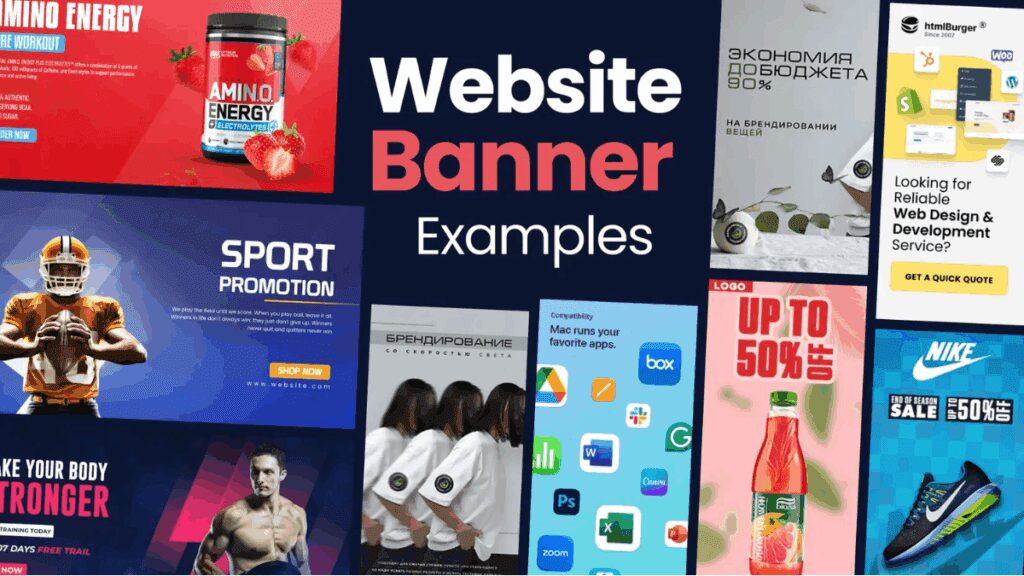
Introduction to Banner Advertising: Your Complete DIY Guide 🎯
When I first started my business, I thought banner advertising was some complicated, expensive thing only big companies could afford.
Boy, was I wrong.
After spending way too much money on a marketing agency that delivered nothing but fancy reports and empty promises, I decided to figure this out myself, and Optimus was born.
And you know what? Here we are 15 years later with clients across 5 different countries, and it wasn’t nearly as hard as they made it seem.
The truth is, these agencies want you to think it’s rocket science because that’s how they justify their ridiculous fees. But creating effective banner ads? It’s actually pretty straightforward once someone explains it properly.
So let me save you the headaches, wasted money, and sleepless nights I went through. This guide will teach you everything you need to know about banner advertising without the fluff, jargon, or empty promises.
What Actually Is Banner Advertising? 📊
📸 Picture this: You’re browsing your favourite website, maybe reading an article or watching a video. Suddenly, you notice an eye-catching image in the sidebar advertising a local restaurant’s new menu. You click it, check out their offerings, and end up booking a table for Friday night.
That’s banner advertising in action.
It’s basically putting your business in front of people when they’re already online, doing the things they normally do. Instead of hoping they’ll stumble across your website, you’re placing visual ads on sites they’re already visiting.
Here’s why I love banner advertising compared to traditional advertising:
| Old School Advertising | Banner Advertising |
|---|---|
| Costs thousands upfront | Start with £15/day (UK) or R200/day (SA) |
| No idea if anyone saw it | Track every single view |
| Same ad for everyone | Show different ads to different people |
| Takes weeks to change | Update instantly |
| Hope for the best | Know exactly what’s working |
The game-changer for me was realising I could target people based on what they’re actually interested in. So instead of paying for a radio ad that reaches thousands of people who don’t care about my business, I can show my ads specifically to people who are already looking for what I offer.
The Numbers That Actually Matter
Look, there are about fifty different metrics these platforms will try to show you when it comes to banner advertising. Ignore most of them. Here’s what actually matters for your business:
| Metric | What It Really Means |
|---|---|
| Impressions | How many people saw your ad |
| Clicks | How many people were interested enough to click |
| Cost Per Click | What you paid for each person who clicked |
| Conversions | How many people actually did what you wanted (bought something, called you, etc.) |
| Return on Investment | How much money you made compared to what you spent |
That’s it. Everything else is just fancy dashboard nonsense designed to make you feel overwhelmed.
Google Display Ads: Start Here 🔍
I’m going to give you some controversial advice: ignore what Google’s help articles tell you about “sophisticated targeting strategies” and “advanced audience insights.”
👉 When you’re starting out with banner advertising, keep it simple.
Google’s Display Network shows your ads on millions of websites. The beauty is that Google’s pretty good at figuring out where to put your ads to get results. You don’t need to overthink it.
Setting Up Your First Banner Advertising Campaign
Step 1: Don’t Get Fancy
- Go to ads.google.com, create an account, and choose “Display Campaign.”
- When Google asks about your goals, just pick “Website traffic” or “Sales.” Don’t get caught up in all the other options.
- Set your daily budget realistically for your market.
| Location | Recommended Daily Budget |
|---|---|
| 🇬🇧 United Kingdom | £15 – £20 per day minimum (due to competition; anything less may not provide meaningful data) |
| 🇿🇦 South Africa | R200 – R300 per day (around R5,000+ monthly for real results) |
If you’ve got less than that, honestly, save up first.
You can always increase it later, but starting too small just wastes money.
Step 2: Target Your Actual Customers
Here’s where most people mess up: they try to target everyone.
Don’t.
- If you’re a local business, set your location to your actual service area.
- If you only work within 20 miles of Manchester, don’t set it to “United Kingdom.”
For interests, think about what your customers actually care about. If you sell gardening tools, target people interested in gardening, home improvement, and outdoor activities. It’s not complicated.
Step 3: Create Ads That Don’t Suck
Google has this tool called “Responsive Display Ads” that basically creates your ads for you. Use it.
- Upload 3-5 good photos of your products, team, or happy customers.
- Write 3-5 headlines that clearly explain what you do.
- Add a couple of descriptions that tell people why they should care.
Google will mix and match these to create different ad combinations and show you which ones work best.
What I Wish Someone Had Told Me about Banner Advertising
| What Works | What Doesn’t |
|---|---|
| Real photos of your business | Generic stock photos |
| Clear, simple headlines | Clever wordplay nobody understands |
| Obvious contact information | Making people hunt for your phone number |
| Testing different approaches | Expecting perfection from day one |
The biggest mistake I made early on was trying to cram everything about my business into one ad. Your ad doesn’t need to tell your entire story, it just needs to get people interested enough to click.
Want detailed help with Google Ads?
I wrote a step-by-step guide that covers everything: tips for creating Google Ads.
Facebook and Instagram: Where Everyone Actually Is 📱
Here’s something that might surprise you about banner advertising and why companies use social media. Facebook and Instagram combined have more users than the entire population of China. Your customers are definitely on these platforms.
The targeting on Facebook is honestly a bit scary.
They know everything about their users: what they buy, where they shop, what websites they visit, even what they talk about in messages.
But as a business owner, this is incredibly useful.
I can literally target my client’s gardening business ads to people who:
- Live within 15 miles of my shop
- Are interested in gardening
- Have recently moved house
- Are aged 30-65
- Have a household income above £40,000
Try doing that with a newspaper advert.
Facebook Ads That Actually Work
1. The Creative Stuff:
Forget everything you think you know about advertising. Facebook users scroll fast, and they ignore anything that looks like an obvious ad.
Your ads need to look like content their friends might share. Use real photos, write like you’re talking to a mate, and for the love of all that’s holy, don’t use those cheesy stock photos of people pointing at laptops.
Some examples that work:
- Behind-the-scenes photos of your work
- Before and after shots
- Happy customers using your products
- Your team actually doing the work
2. Targeting Without Being Weird:
Start simple. Target people in your area who are interested in things related to your business. Facebook will suggest audiences based on your website visitors, which is pure gold.
The “lookalike audiences” feature finds people similar to your existing customers. It’s like having a crystal ball that shows you exactly who else might want to buy from you.
Instagram: Same Platform, Different Vibe
Instagram is owned by Facebook, so you can run ads on both platforms simultaneously. Instagram users tend to be younger and more visual, so your photos need to be on point.
| Facebook Users | Instagram Users |
|---|---|
| Read longer captions | Prefer short, punchy text |
| Share articles and links | Focus on visual content |
| Engage with local businesses | Follow brands and influencers |
| Make considered purchases | Impulse buying behavior |
The same targeting options work for both, but tailor your creative content to match how people use each platform.
A Reality Check on Budgets:
Facebook can be tempting because they advertise “start with £1 per day,” but let’s be honest about what actually works.
- In competitive markets like the UK, you need at least £15-20 daily to get enough data to optimise properly.
- In South Africa, R200-300 per day minimum (that’s roughly R5,000-6,000 monthly) is what you need to compete effectively.
I learned this the hard way, spending R100 a day in Johannesburg got me nowhere. The market is competitive, and if you spread your budget too thin, you’re just feeding money to the platforms without getting results.
YouTube: Video Without the Drama 📺
“I can’t make videos!” – I hear this constantly.
Listen, some of the most successful YouTube ads I’ve seen were filmed on smartphones with no fancy editing. The key isn’t production value; it’s providing value to the viewer.
YouTube is massive, it’s the second-largest search engine after Google.
People go there to learn, be entertained, and discover new things. That makes it perfect for demonstrating what you do.
1. Types of YouTube Ads That Won’t Break Your Budget
Display Ads: These appear next to videos and work exactly like Google Display ads. They’re the easiest option because you don’t need to create video content.
Simple Video Ads: Before you panic, hear me out. You can create effective video ads using:
- Your phone camera
- Free editing software like iMovie or Windows Movie Maker
- Simple screen recordings
- Slideshow presentations with voice-over
2. Video Ideas That Actually Work
Here’s what I’ve learned works on YouTube:
- Educational content: Film yourself solving a common problem your customers face. If you’re a plumber, show how to fix a dripping tap. If you run a bakery, demonstrate a simple recipe.
- Behind-the-scenes: People love seeing how things are made or how services are delivered. It builds trust and makes your business feel more human.
- Customer stories: With permission, film happy customers talking about their experience. Nothing sells better than genuine testimonials.
- Quick tips: Share industry knowledge that positions you as an expert. These videos often get shared, extending your reach.
The technical side is simpler than you think using basic tools:
| Essential | Nice to Have |
|---|---|
| Clear audio | Professional lighting |
| Stable footage | Multiple camera angles |
| Good content | Fancy graphics |
| Call to action | Hollywood editing |
Remember, people watch YouTube videos to learn or be entertained. Focus on providing value, and the production quality becomes less important.
LinkedIn: B2B Without the Massive Budget 💼
If you sell to other businesses, LinkedIn is where your customers hang out during work hours. It’s more expensive than Facebook, but the people you reach actually have budgets and decision-making authority.
I’ve found LinkedIn works best for:
- Professional services (accountants, consultants, lawyers)
- B2B software and tools
- Business equipment and supplies
- Training and education services
1. LinkedIn Targeting That Makes Sense
The targeting options on LinkedIn are brilliant for B2B. You can target based on:
- Specific job titles
- Company sizes
- Industries
- Even specific companies
This means if you sell accounting software, you can target Finance Directors at companies with 50-200 employees in the manufacturing sector. Try doing that anywhere else.
2. Content That Works on LinkedIn:
Professional doesn’t mean boring. Your ads should focus on business problems and solutions, but they can still be engaging and personable.
| What Works | What Doesn’t |
|---|---|
| Industry case studies | Personal life content |
| Problem-solving content | Overly casual tone |
| Professional achievements | Emotional appeals |
| Business tips and insights | Consumer-focused messaging |
The key is speaking their language. Use the terminology your target customers use in their daily work. If you’re targeting marketing managers, talk about ROI, conversion rates, and lead generation.
Choosing Your Platform: The Honest Truth 🔄
Every “expert” will tell you to be on every platform. That’s rubbish.
| Platform | Best For | Daily Budget (UK) | Daily Budget (SA) |
|---|---|---|---|
| Google Display | Any business, beginners | £15-20 | R200-300 |
| Facebook/Instagram | Consumer products, local services | £15-25 | R200-350 |
| YouTube | Product demos, tutorials | £20-30 | R300-400 |
| B2B services, professional products | £25-35 | R350-500 |
Important Note: These aren’t the absolute minimums the platforms will accept. They’re the realistic minimums you need to get meaningful results in competitive markets. If you can’t commit to these budgets, save up first. It’s better to wait and do it properly than waste smaller amounts that won’t generate useful data.
My recommendation?
Pick one platform, get good at it, then expand. I see too many business owners spreading their budget thin across multiple platforms and getting mediocre results everywhere.
Creating Ads That Don’t Look Rubbish 🎨
You don’t need to be a designer, but your ads do need to look professional. Here’s how to achieve that without hiring someone:
1. Free Tools That Actually Work
Canva is my go-to recommendation. It has templates specifically designed for banner ads, and you can create professional-looking ads in minutes. The free version has everything you need to start. Check it out at canva.com.
Google Web Designer is free and creates ads specifically optimised for Google’s network. It’s a bit more technical but produces better-performing ads. You can download it from Google’s official site.
2. Design Principles That Matter
Keep it simple. One clear message, one clear call to action, and don’t try to fit your entire business story into a banner ad.
- Colour scheme: Use your brand colours, but make sure there’s enough contrast for text to be readable.
- Images: Real photos always outperform stock photos. Even a decent phone photo of your actual business will work better than a generic stock image.
- Text: Less is more. Your headline should be clear and benefit-focused. Your call-to-action should tell people exactly what to do.
Need more detailed design guidance? Check out my comprehensive guide: tips for creating online banner ads that work.
Planning Your Campaign (Without Overthinking) 📋
Most business owners get stuck in planning mode and never actually launch anything. Here’s a simple approach that works:
Week 1: Setup
- Choose one platform (seriously, just one)
- Create your account and add payment details
- Make 3-5 different ad variations
- Set a realistic daily budget based on your market (see the table above)
Critical Point: If you’re in the UK or South Africa and can’t commit to the minimum daily budgets I mentioned earlier, stop here. Save up until you can afford to do this properly. Underfunded campaigns just waste money and teach you nothing useful.
Week 2: Launch and Observe
- Launch your campaign
- Check it daily but don’t make changes for at least 3-4 days
- Take notes on what you see
- Don’t panic if results aren’t immediate
Week 3: Optimise
- Pause ads that aren’t getting clicks
- Increase budget on ads that are working
- Create new variations based on what’s working
- Test new audiences
Week 4: Scale or Pivot
- If things are working, gradually increase your budget
- If they’re not, try a different approach or platform
- Don’t throw good money after bad
| Budget Range (UK) | Budget Range (SA) | What to Expect |
|---|---|---|
| £400-600/month | R5,000-8,000/month | Learning phase, some leads |
| £600-1,200/month | R8,000-15,000/month | Consistent results, profitable campaigns |
| £1,200+/month | R15,000+/month | Scale successful campaigns, expand platforms |
Harsh Reality: If you’re not in these budget ranges, digital advertising might not be right for you yet. Consider organic social media, networking, or referral programs until you can save up for proper advertising budgets.
For a complete campaign planning framework, check out: planning a banner ad campaign.
Tracking What Actually Matters 📊
The platforms will try to show you dozens of metrics. Most are irrelevant to your business success.
1. Daily Checks (2 minutes)
- How much did I spend yesterday?
- How many people clicked my ads?
- Did any of those clicks turn into customers?
2. Weekly Reviews (15 minutes)
- Which ads are getting the most engagement?
- Which audiences are responding best?
- What’s my cost per customer acquisition?
3. Monthly Analysis (30 minutes)
- What’s my overall return on ad spend?
- Which platforms are working best?
- Where should I adjust my budget?
Simple rule: If you’re making more money from the customers you get than you’re spending on ads, you’re winning.
Different Types of Banner Ads 🚀
Start with static image ads. They’re the easiest to create and test. Once you’re comfortable and seeing results, you can get more sophisticated.
- Static Images: Single image with text overlay. Perfect for beginners.
- Animated GIFs: Simple animations that draw attention. Canva can create these automatically.
- Video Ads: More engaging but require more effort. Start simple with screen recordings or slideshows.
- Interactive Ads: Save these for later when you have bigger budgets and proven success with simpler formats.
The key is progression.
Master the basics before moving to advanced formats.
For detailed information about different banner types and when to use them: different types of banner ads.
Common Mistakes I See Constantly ❌
After helping dozens of small business owners with their banner advertising, I see the same mistakes repeatedly:
1. Budget Mistakes:
- Starting with too many platforms
- Setting unrealistic expectations for immediate results
- Not setting daily spending limits
- Giving up too early
2. Creative Mistakes:
- Trying to target everyone
- Making ads that obviously look like ads
- Using industry jargon instead of plain English
- Forgetting to include clear contact information
3. Strategy Mistakes:
- Changing everything after one day of poor performance
- Not tracking which ads actually bring in customers
- Focusing on vanity metrics instead of business results
- Expecting perfection from the start
Reality Check: What to Actually Expect 💰
Let me give you realistic expectations based on what I’ve seen work:
Timeline
Weeks 1-2: You’ll spend more than you make while learning
Weeks 3-4: You’ll start seeing which approaches work
Months 2-3: Consistent, profitable results if you’re optimising regularly
Month 4+: Campaigns that mostly run themselves
Success Benchmarks
These vary significantly between UK and South African markets:
| Business Type | Good Click Rate (UK/SA) | Realistic Conversion Rate |
|---|---|---|
| Local Services | 1-2% (UK), 2-4% (SA) | 10-20% of clicks become inquiries |
| Online Retail | 0.5-1.5% (UK), 1-3% (SA) | 2-5% of clicks become purchases |
| B2B Services | 0.3-1% (UK), 0.8-2% (SA) | 5-15% of clicks become leads |
Why the difference? Competition in the UK is fierce, so click rates are generally lower but conversion quality is higher. South African markets often have less competition but varying levels of buying power, so click rates can be higher but conversion values might be lower.
If you’re getting 3:1 return (£3 or R3 back for every £1 or R1 spent), you’re doing well. If you’re getting 5:1 or better, you’re crushing it.
Free Tools and Resources 🛠️
1. Platform Accounts:
- Google Ads – Free to set up
- Facebook Business Manager – Free
- LinkedIn Campaign Manager – Free to set up
2. Design Tools:
- Canva – Free templates and design tools
- GIMP – Free alternative to Photoshop
- Unsplash – Free stock photos (though real photos work better)
3. Analytics:
- Google Analytics – Track website visitors from your ads
- Facebook Pixel – Track Facebook ad performance (set up through Business Manager)
- Platform native analytics – Usually sufficient for beginners
4. Learning:
- Each platform’s help centre (surprisingly useful)
- YouTube tutorials (search for platform-specific guides)
- Industry blogs (but take everything with a grain of salt)
When Things Go Wrong 🚨
They will go wrong. It’s part of the process. Here’s how to handle common issues:
“My ads aren’t getting clicks”
- Check if your targeting is too narrow or too broad
- Try different images or headlines
- Make sure your offer is compelling and clear
“I’m getting clicks but no customers”
- Check where your ads are sending people
- Make sure your website loads quickly
- Verify your contact information is easy to find
“I’m spending too much money”
- Lower your daily budget immediately
- Pause underperforming ads
- Review your targeting settings
“My ads were rejected”
- Read the platform policies carefully
- Remove any prohibited content
- Try rewording your ad copy
When to Get Professional Help
Consider hiring help if:
- You’re spending over £1,000/month (UK) or R12,000/month (SA)
- You’ve tried for 3+ months without success
- You’re in a highly competitive industry
- You need complex integrations with other systems
Honest advice: If you can’t afford the minimum budgets I’ve outlined, you definitely can’t afford professional help yet. Focus on organic marketing, build your budget, then come back to paid advertising when you’re properly funded.
💡 Here’s something most UK businesses don’t know:
You can get London-quality marketing expertise at half the London price. No contracts, no setup fees, and if we don’t deliver qualified leads in 90 days, you don’t pay a penny. Curious how this works? →
Your Action Plan 🎯
Here’s exactly what to do next:
This Week:
- Choose ONE platform to start with
- Set up your account (15-30 minutes)
- Create 3-5 different ad variations
- Set a realistic daily budget (£15-20 for UK, R200-300 for SA minimum)
If you can’t commit to these budgets: Stop here.
Seriously.
Save up until you can afford to do this properly. Underfunded campaigns are worse than no campaigns because they waste money and give you false data about what works.
Next Week:
- Launch your campaign
- Monitor daily but don’t make changes immediately
- Take notes on performance
- Ask customers how they heard about you
Month 2:
- Analyse what’s working
- Scale successful campaigns
- Test new audiences and creative
- Consider expanding to a second platform (only if budget allows)
Month 3:
- Review overall ROI
- Document successful approaches
- Plan expansion strategies
- Celebrate your progress
Competing with the Big Players 🥊
Here’s what they don’t want you to know: small businesses often outperform large corporations in banner advertising.
Your advantages:
- Speed – you can change ads instantly
- Personal touch – real photos and genuine testimonials
- Local knowledge – you understand your community
- Flexibility – you can test unusual approaches
Their disadvantages:
- Generic messaging that appeals to no one specifically
- Slow approval processes for changes
- Disconnect from actual customers
- Wasteful spending due to lack of accountability
Final Thoughts on Banner advertising 💪
Banner advertising isn’t complicated, but it does require adequate budget and patience. You don’t need a marketing degree to understand banner advertising, but you do need realistic expectations about what it costs to compete effectively.
What you do need:
- Sufficient budget for your market (see the guidelines above)
- Willingness to commit for at least 3 months
- Patience to optimise based on real data
- Common sense to focus on business results
- Persistence to keep improving
If you’re not ready to commit proper budgets behind banner advertising campaigns, then wait. Build your business through other means until you can afford to advertise effectively. There’s no shame in waiting – there’s only shame in wasting money on underfunded campaigns that teach you nothing.
The biggest mistake most business owners make is thinking they can succeed with tiny budgets in competitive markets. Every successful advertiser either started with adequate funding or learned this lesson the expensive way.
Your competitors are probably underfunding their campaigns right now. While they’re wasting small amounts and getting frustrated, you can save up, do it properly, and dominate.
Start when you’re ready. Start with sufficient budget. Start with realistic expectations.
Your future customers are browsing the internet right now. The question is: will you be ready to reach them when you have the budget to do it properly?
Now stop reading and go save up for your first properly-funded banner ad campaign.